

Table of Contents
ToggleNew Year, New Thinking: Book-Based Life Lessons for 2026
Introduction: Why 2026 Demands New Thinking?
Every new year brings hope, but 2026 feels different. Over the last 3–4 years, we have entered a new phase – the AI era, or what many now call the AI-Gen generation. In this world, progress is no longer driven by hard work alone. It demands smart thinking, adaptability, and the ability to generate new ideas. Old ways of thinking may still feel comfortable, but repeating the same mindset limits real growth in 2026.
Many people believe books are time-consuming, but this is a misunderstanding. In reality, books are the greatest shortcuts to wisdom. One right book, read at the right time, can save years of trial and error. The key is not reading more books – it’s choosing the right book for the right problem.
Not everyone is lucky enough to have a real-life mentor. That’s where life lesson in books become powerful. A book often carries the experience of someone who spent 10, 20, or even more years learning through failures, success, and reflection. You may never meet the author, yet their knowledge guides you like a silent mentor. These life lessons from books stay with you and often appear when life becomes difficult or uncertain.
In this article, I’m sharing practical, applicable life lessons that I’ve personally learned over the past year through reading and reflection. These insights are not theory-heavy – they are meant to be used in real life, step by step, as you shape your thinking for 2026.
Why Books Are the Best Teachers for Life Lessons?
Books Are Distilled Experience, Not Just Words
Books are more than printed pages. They are the distilled experience, knowledge, and struggles of others, compressed into a form we can access in a few hours. An author often spends years learning through mistakes, failures, and reflection – and then summarizes those lessons for us in one book. This is why life lessons from books are so powerful: they allow us to learn without paying the full cost of experience ourselves.
Information vs Insight: The Real Difference
Information and insight are not the same. Information is about data and facts – what happened and how it happened. Insight goes deeper. It explains why something works, why it fails, and how it applies to real life. Books don’t just give information; they offer insight shaped by context, emotions, and long-term thinking. That’s where real learning begins.
Why Book Summaries Still Work in 2026?
In 2026, time is limited and distractions are everywhere. Reading summaries helps you save time without losing meaning. A good summary highlights core principles, key ideas, and practical action steps. This form of book-based learning allows you to quickly understand concepts, apply them to real-life challenges, and even revisit ideas when needed. It’s not about replacing books – it’s about learning smarter.
The Book Insight Philosophy
At The Book Insight, the goal is simple: turn reading into understanding and understanding into action. We focus on extracting practical lessons from books so you can apply them in your personal and professional life, without feeling overwhelmed.
Life Lesson in Books That Shape New Thinking for 2026
Lesson 1 – Responsibility Creates Freedom
One of the strongest life lessons in books, especially from personal development classics, is simple but uncomfortable: your life improves the moment you take responsibility. Almost every meaningful book teaches this in different words – growth begins when we stop waiting for others to change and start changing our own actions.
Blaming others may feel easy, but it silently blocks growth. When something goes wrong, blaming does not create solutions – it only creates excuses. And when the mistake is actually ours, blaming becomes even more dangerous because it prevents learning. As humans, we learn by making mistakes – just like we once learned to walk or ride a bicycle by falling first. Blame shuts down that learning process.
In 2026, responsibility matters more than ever. Fast change, AI tools, and career shifts demand ownership of decisions. When you accept responsibility, your mindset becomes calmer, clearer, and action-focused. This lesson appears repeatedly in personal development books to read, including ideas you’ll find reflected in summaries like The One Thing, Essentialism, and Hyperfocus – all of which emphasize control over attention, choices, and priorities.
Quick takeaway:
You don’t control everything, but you always control your response.
Lesson 2 – Long-Term Thinking Beats Instant Results
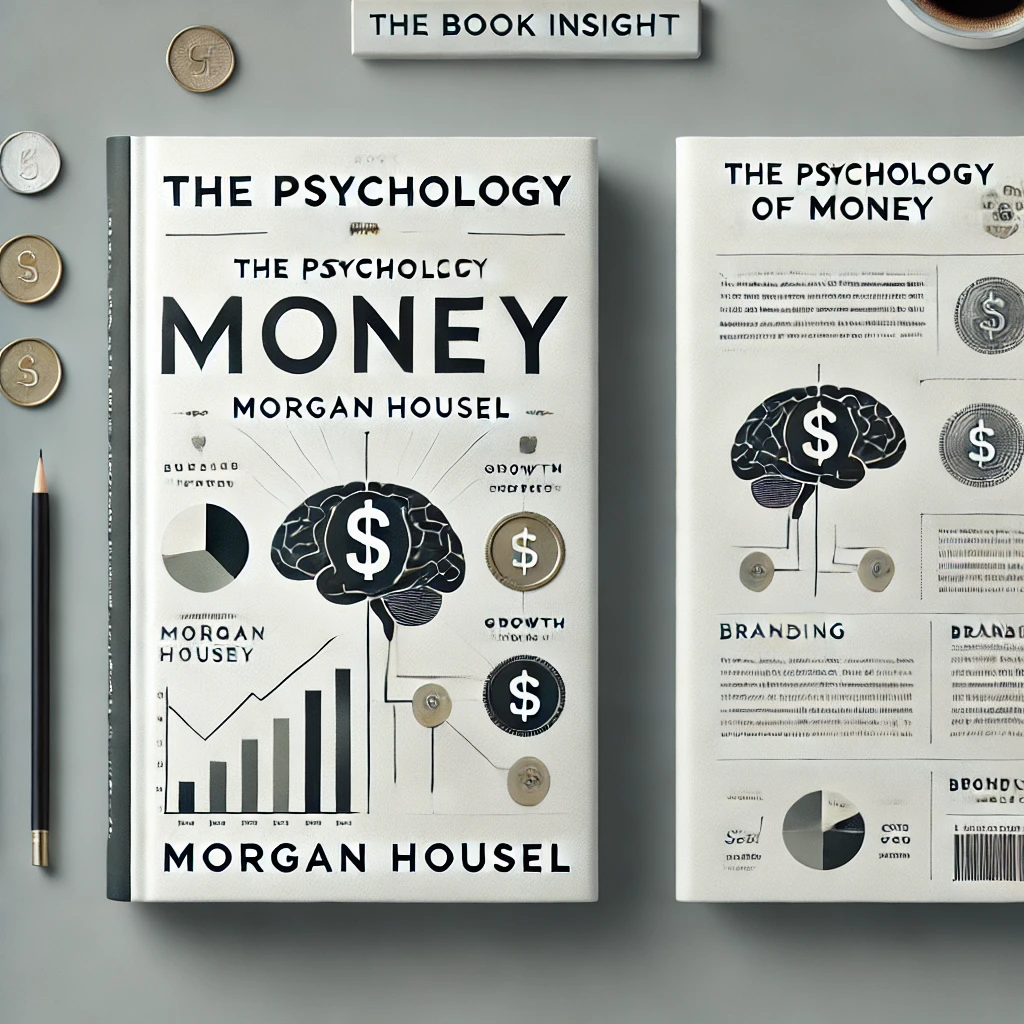
One of the most repeated lessons in finance and mindset books is simple: control spending first, then focus on saving. Almost every finance book teaches that wealth is not created by income alone, but by disciplined habits. When you control unnecessary expenses, your mindset automatically shifts away from short-term pleasure toward long-term stability. Books like The Psychology of Money remind us that mastering emotions around money increases its real value.
Most people forget one basic truth – everything meaningful takes time. Patience allows compounding to work, and consistency turns small efforts into powerful outcomes. This idea is clearly explained in books like The Compound Effect and Just Keep Buying, where long-term behavior matters more than perfect timing.
In today’s fast-paced digital life, quick results look attractive, but long-term thinking is what actually builds freedom. This is one of the most practical life lessons in books that applies to money, career, health, and learning.
Quick takeaway:
Small actions repeated daily shape big futures.
Lesson 3 – Self-Awareness Is a Competitive Advantage
One of the most important life lessons in books, especially psychology and behavioral books, is this: self-awareness changes everything. When you understand how you think, feel, and react, you gain control over your actions instead of being controlled by them.
Most problems begin when emotions take over. Past experiences, negative thoughts, or sudden triggers can push us back into old habits without us even realizing it. In those moments, we react instead of responding. This is where books like Master Your Emotions and Don’t Believe Everything You Think explain a powerful idea – thoughts and emotions are signals, not commands. Learning to observe them calmly helps break harmful patterns and build emotional control.
In both personal life and the workplace, self-awareness becomes a real advantage. It improves decision-making, communication, and focus. These book based life lessons teach that when emotions are managed well, growth becomes intentional instead of reactive.
Quick takeaway:
Growth starts when awareness replaces reaction.
Lesson 4 – Focus Is More Valuable Than Motivation
Many productivity books repeat one hard truth: motivation is temporary, but focus creates results. Motivation can rise and fall within a day, a month, or even a year. But once you decide what truly matters and stay focused on it, your direction becomes stable. This is one of the most practical life lessons in books–success is built on clarity, not constant excitement.
Motivation fades because it depends on mood and energy. Systems, on the other hand, stay. When you commit to a process–waking up at a fixed time, doing focused work daily, or following simple routines–you keep moving forward even on low-energy days. This idea is strongly explained in productivity classics like Eat That Frog and Deep Work, where discipline and structure outperform inspiration.
In 2026, attention is under constant attack–from notifications, AI tools, and endless content. These book based life lessons remind us that protecting focus is no longer optional; it’s a survival skill.
Quick takeaway:
Design your environment, not just your goals.
Lesson 5 – Learning Never Ends (But Must Be Applied)
One of the most practical life lessons from books is understanding the difference between reading and implementing. Many people read for motivation or interest, feel good for a moment, and then return to the same routine. Real learning begins only when what you read changes how you act.
A common mistake readers make is not capturing what they learn. When you don’t write down key ideas or reflect on them, concepts remain unclear and fade quickly. Making simple notes helps knowledge stay longer in your mind and increases the chance of applying it in real-life situations. This habit alone improves the effectiveness of book based life lessons.
Summaries help action-takers because they highlight what truly matters–principles, key ideas, and next steps–without overload. Instead of trying to apply everything at once, focus on one lesson at a time. Just like fitness, growth doesn’t happen overnight. Consistent, focused effort always beats rushed intensity.
Quick takeaway:
Knowledge without action is just entertainment.
Why These Life Lessons Matter More in 2026?
The world is changing faster than ever. AI is reshaping workflows, career paths are shifting, and many traditional roles are becoming uncertain. Companies are rapidly adopting automation, and this creates pressure to adapt continuously. In 2026, standing still is no longer an option. If you don’t evolve with time, it becomes easy to feel left behind.
In this fast-changing environment, mental clarity matters more than information. We are surrounded by content, opinions, and advice, yet many people feel more confused than ever. Knowing where you are, where you want to go, and why you are doing what you do has become essential. This is why we explored this deeply in our article “What Is Your Purpose in Life?”–because clarity of purpose cuts through noise and brings direction.
Books act as grounding tools in uncertain times. The right personal development books to read help slow your thinking, organize your thoughts, and reconnect you with what truly matters. Trends come and go, but these lessons remain useful across time. That’s why timeless ideas from books continue to guide decisions, growth, and mindset–today and in the future.
How to Apply Book-Based Life Lessons in Daily Life?
Reading only creates value when it is done with intention. Never read just to pass time. Choose a book that matches your current challenge, decision, or learning goal. The right book at the right time makes book based life lessons more relevant and easier to apply.
The simplest rule is this: one lesson, one action. Instead of trying to change everything at once, pick a single idea from what you read and apply it to your real-life situation. Small actions taken consistently create real transformation.
Reflection makes learning deeper. Writing short notes or journaling what you understood helps clarify principles and keeps ideas from fading away. This habit also connects strongly with purpose-driven thinking.
Finally, revisit summaries regularly. Spending just 10–15 minutes refreshing key ideas helps reinforce learning and keeps insights active in your daily decisions.
Final Thoughts: New Year, New Thinking Begins With One Book
Books act as silent mentors. They don’t rush you, judge you, or demand instant change–but they guide you patiently, step by step. As we begin a new year, real growth doesn’t come from loud resolutions; it comes from quiet decisions made daily. This is one of the most important lessons repeated across books.
Starting 2026 with patience is far more powerful than starting with pressure. The idea of small actions compounding over time is beautifully explained in The Compound Effect. It reminds us that meaningful change happens when simple habits are practiced consistently, not overnight.
Intentional reading helps you slow down, think clearly, and act wisely. Choose one book, one lesson, and one action at a time. Growth is not a promise you make to yourself on January 1st–it’s a decision you honor every day.
Explore more book summaries and insights at The Book Insight and start building a wiser, more grounded 2026.